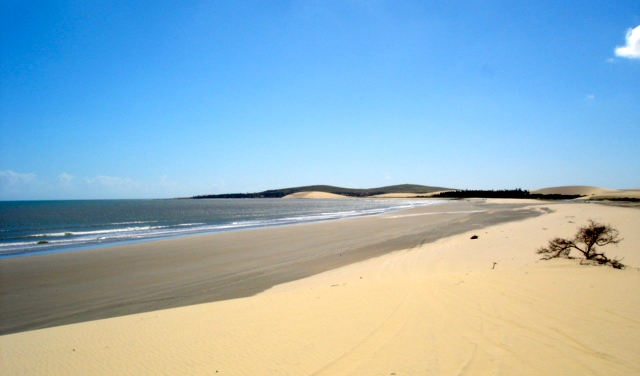
Those were the exact words that went through my head when I arrived in the small fishing village Jericoacoara, located in the state of Ceará on the north-eastern coast of Brazil. An idyllic place where streets are paved with sand, surrounded by sand dunes and freshwater lagoons, and an endless beach – named by Washington Post Magazine as one of the ten most beautiful beaches in the world. You’ll probably end up staying longer than planned. In fact, most travellers do.
Jericoacoara, also known as just Jeri, has a rather remote location. If you’re going here by land, the last hour of the journey has to be done by a beach buggy or a vehicle with 4×4 traction. You’ll have to travel along rugged dirt roads, over sand dunes and then along the final sandy stretch of beach to get to the village.
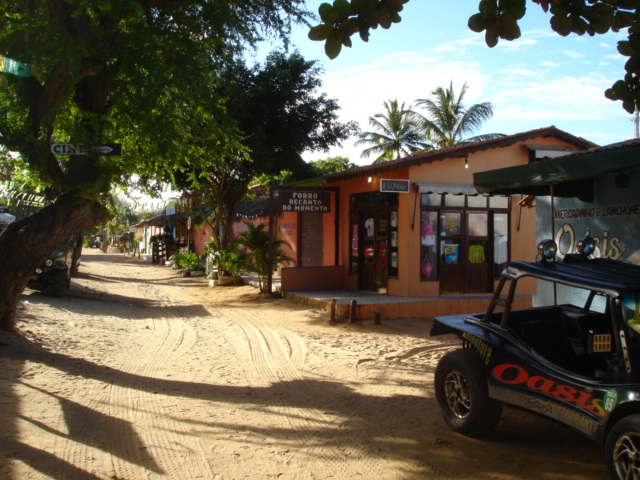
In 1984 the area around Jericoacoara was declared as Environmental Protection Area (APA) and became a National Park in 2002. That has lead to many restrictions and tourism controls, which have helped to preserve the area. Here you won’t find big buildings, apartment complexes or giant hotels. Much due to the building limitations the business owners have instead created small stores, restaurants and cosy pousadas in the village. All adding the right unique charm, beauty and simplicity that Jericoacoara deserves.
The name and the special location
I’ve heard a couple of versions on the origin of the name Jericoacoara. The most probable one, and the one I like the best, is that it is a combination of words from the native Tupi-Guarani language. Yuruco (hole) together with cuara (turtle), meaning “hole of the turtles”, which refers to the fact that Jericoacoara was and is where sea turtles come to dig holes where they can lay their eggs.
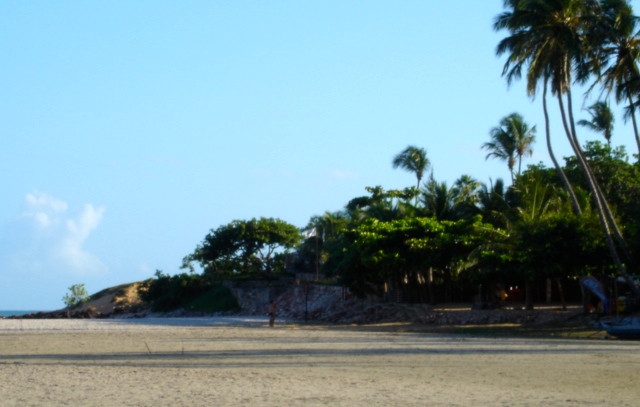
With its remarkable location 300 km north-west of Fortaleza, on the most northern tip of Ceará, you can admire the ocean both to the east and the west. That means you’ll have a unique chance to experience the sun both rising and setting into the sea, which actually is a popular ritual in Jeri. One of the best spots is from the top of the mighty sand dune, known as Duna do Pôr do Sol (Sunset Dune), just next to the village.
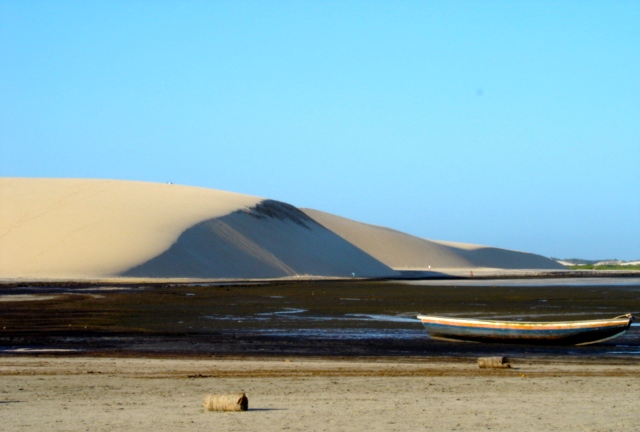
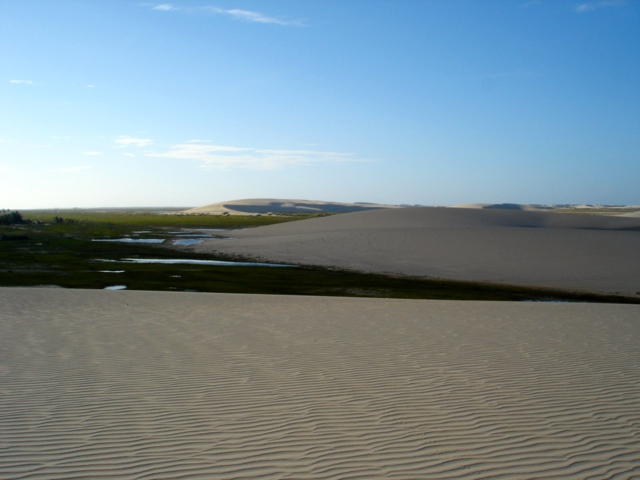
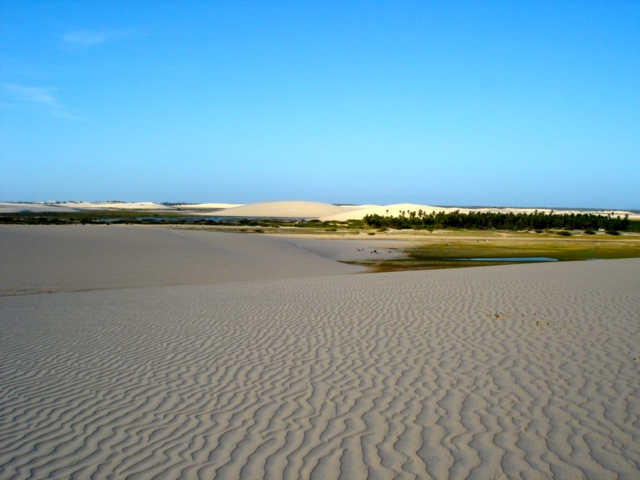
The special geographic position, almost exactly on the equator, is also what makes Jeri one of the windiest places in the world. Walking on the nearby dunes, you can clearly see how the winds create shapes and patterns in the sand. Because of the wind conditions, it’s a Mecca for windsurfers and kitesurfing enthusiasts. Some claim it’s the best spot for windsurfing in Brazil.
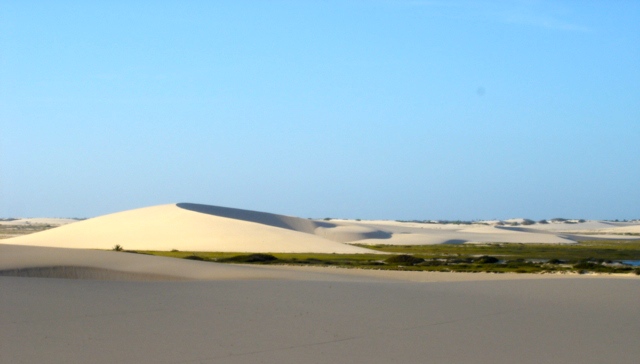
Jeri is also a nice spot if you prefer regular surfing. The bay in front of the village with smaller, gentler waves is ideal for beginners and long boarders. For bigger waves, more suitable for short board and more advanced surfers Malhada Beach is a better choice. The best time of year for surfing is between December and April when the wind is lighter and the waves get bigger.
Some other popular activities in and around Jeri are horseback riding along the beautiful beaches, sand boarding (similar to snowboarding except you ride on sand and you can do it in shorts and bare feet) from the top of the Sunset Dune, and kayaking through adventurous mangrove landscape.
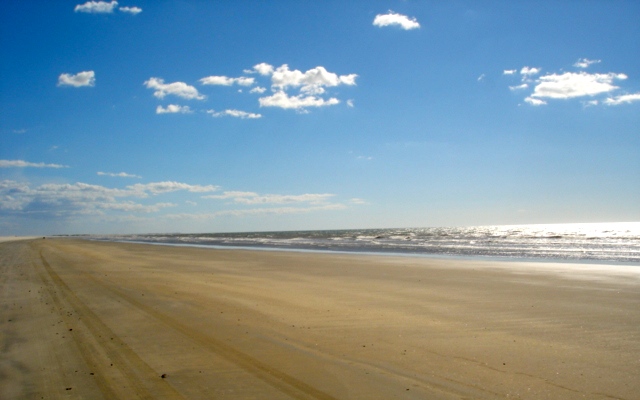
Buggy ride
When you’re in Jericoacoara you’ll just have to go on a buggy tour. It’s the best way to get to know the surrounding areas. And the feeling when you go really fast over the dunes with fresh warm breeze in your hair… well, it’s incredible.
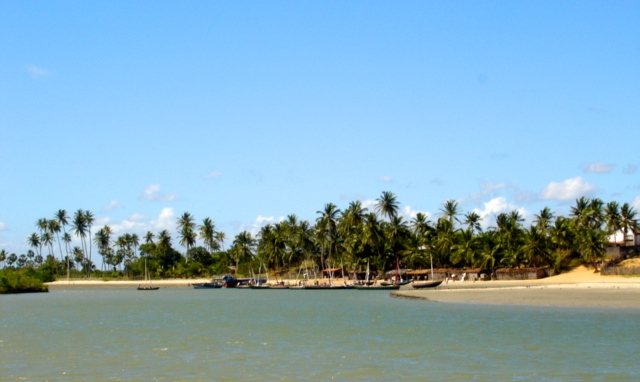
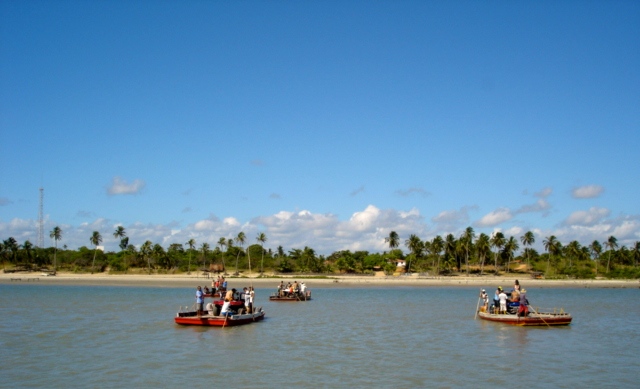
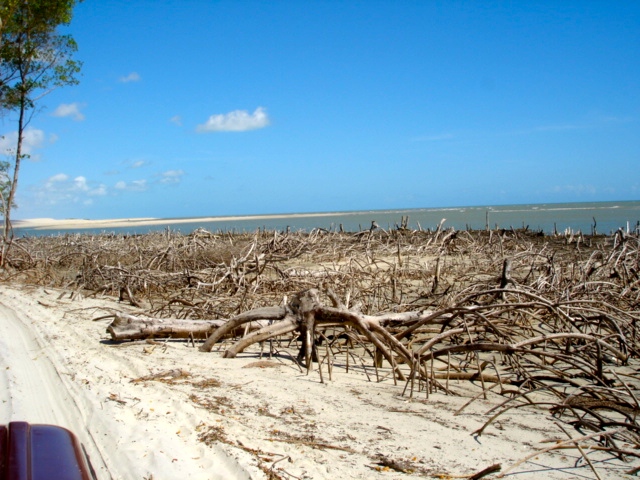
If you go west of town you can see places like Mangue Seco, a tiny fishing village next to a small fresh water lake and a forest of tall dead mangrove trees, Guriu, a small fishing community and the point where you and your vehicle can cross the river on one of several rafts, and Tatajuba with its magical freshwater lagoon. Tatajuba is approximately 25 km from Jericoacoara, and to get to the village you’ll have to travel across the river and through the dunes. Here you can take a ride on a characteristic Jangada boat, eat tasty fresh fish or just chill in a hammock which dips comfortably in the well tempered water.

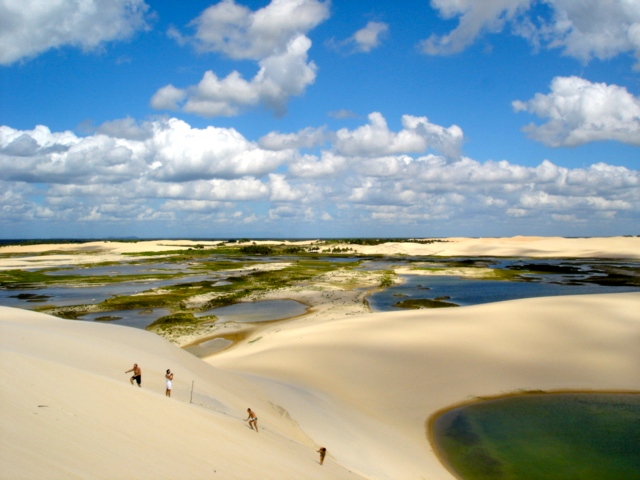
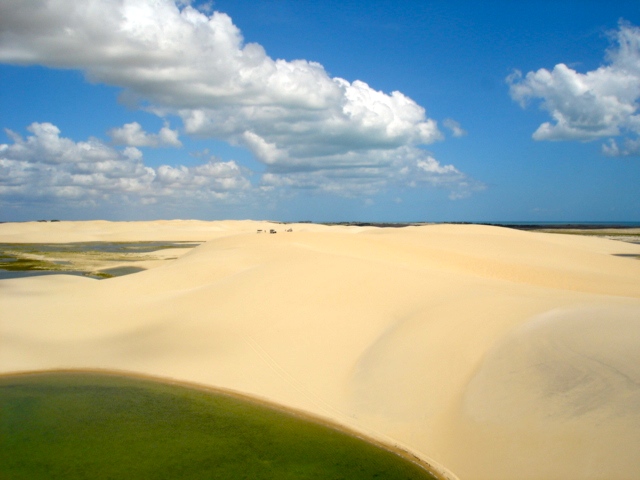
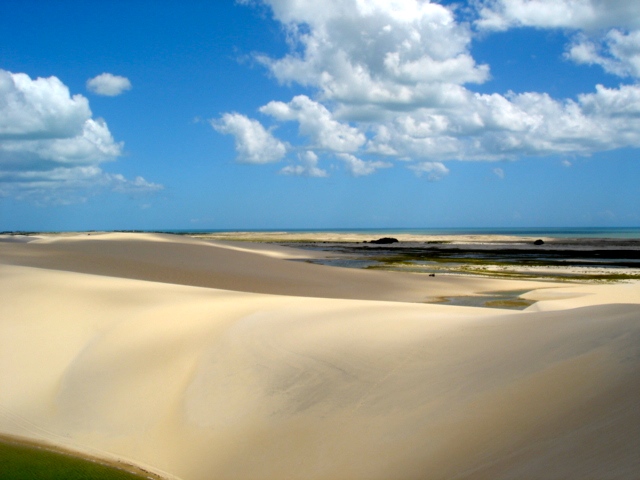
South-east of Jeri you’ll find Lagoa Azul (Blue Lagoon) and Lagoa Paraiso (Paradise Lagoon). It takes around 40 minutes to one hour of thrilling buggy ride through impressive sand dunes to reach the two lagoons, which lie next to each other. It’s really worth it, and the scenery is just magnificent. Here, the water level in the lagoons varies with the weather conditions, and during the driest periods the water can completely evaporate. However, it will return during the rainy season, which normally is between February and May.
The symbol of Jeri
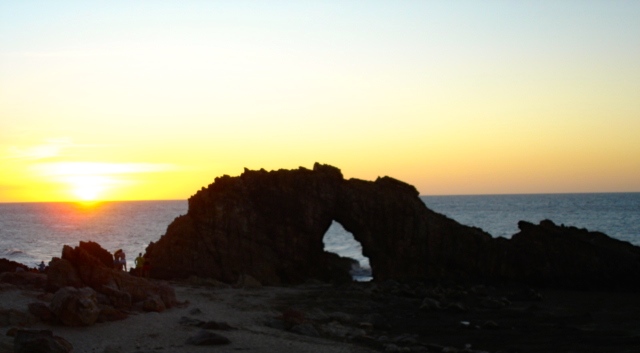
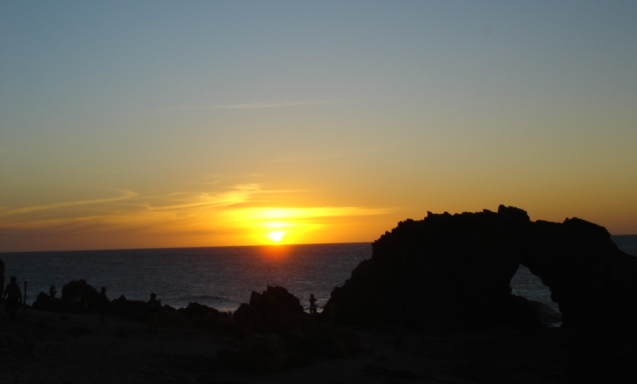
Walking east from Jeri along the shoreline, past the Malhada Beach, you’ll reach Pedra Furada. On low tide most of the shoreline is walkable, otherwise I’ll recommend the higher path up along the Serrote hill. The Arched Rock, Pedra Furada, has become sort of a symbol of Jericoacoara. Here you’ll get beautiful views from all directions, and between June 15th and July 30th, there’s a good opportunity to witness the sunset right in the middle of the Arch.
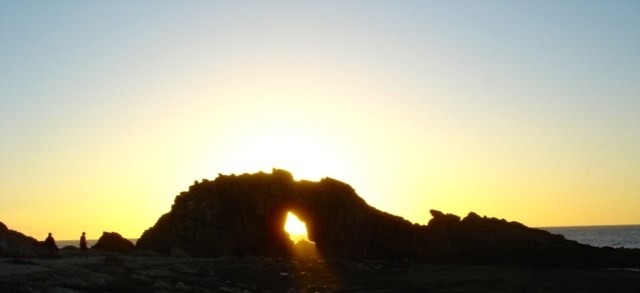
The walk takes about 2 hours in total, and remember to bring shoes for the rocky patches. If you don’t want to walk in pitch darkness, head back immediately after sunset, as the night falls quickly. Local guides know when there are high and low tides, so it can be useful to join a guided hike, especially if you want to walk along the beach. If you take the path along the grassy dunes, there is no problem to do it on your own, but bring a flashlight just in case. I didn’t, and I almost stepped on a big angry lizard on my way back…
Adapt to the slow pace
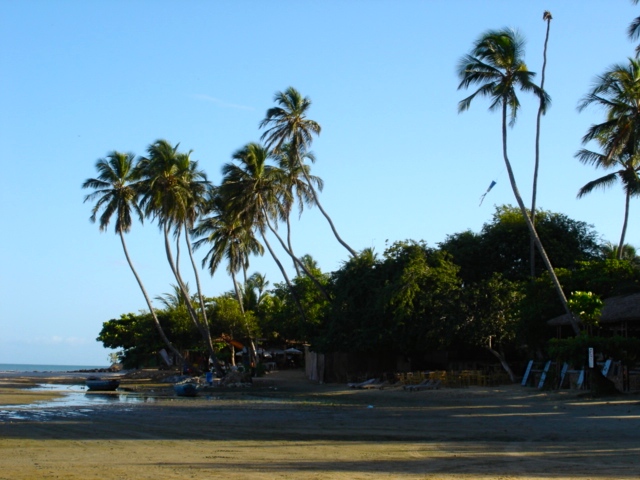
Jericoacoara is also the place to be lazy. Here you can truly enjoy a laid-back atmosphere. Doze off in a hammock to the sound of soothing waves, catch a break from the rather intense sun by dipping yourself in the calm waters of the bay, or relax with a refreshing caipirinha or a cold beer in the shade of a palm tree while you watch the local fishermen head out to sea in their traditional Jangada boats. In the evening, wander up to the top of the dune and get a stunning view of the sun disappearing into the sea. There’s simply no rush, no one’s really in a hurry, so just adapt to the peaceful tranquillity. And if there’s something you really have to do, you can always do it tomorrow…
 beachcastle